
“Fostering Entrepreneurial Mindsets: The Impact of Entrepreneurship Education on Students’ Career Readiness and Innovative Potential”
“Fostering Entrepreneurial Mindsets: The Impact of Entrepreneurship Education on Students’ Career Readiness and Innovative Potential”
Entrepreneurship is a buzzword in today’s economy, with more and more people taking the plunge to start their own businesses. However, many experts believe that the seeds of entrepreneurship should be sown at a much younger age – specifically, at the school level.
Developing entrepreneurial skills at a young age can have a lasting impact on a person’s career and overall success in life. By teaching students about creativity, critical thinking, problem-solving, and leadership, schools can help cultivate the next generation of innovators and job creators.
One of the key benefits of introducing entrepreneurship at the school level is that it encourages students to think outside the box and come up with innovative solutions to everyday problems. By fostering a culture of creativity and curiosity, students can learn to identify opportunities and take risks in a controlled environment.
In addition, teaching entrepreneurship in schools can also help students develop important soft skills such as teamwork, communication, and leadership. These skills are essential in today’s collaborative work environments and can give students a competitive edge in the job market.
Furthermore, exposing students to entrepreneurship at a young age can help them build confidence and resilience, traits that are crucial for success in the business world. By giving students the tools and resources they need to start their own ventures, schools can empower them to pursue their passions and dreams.
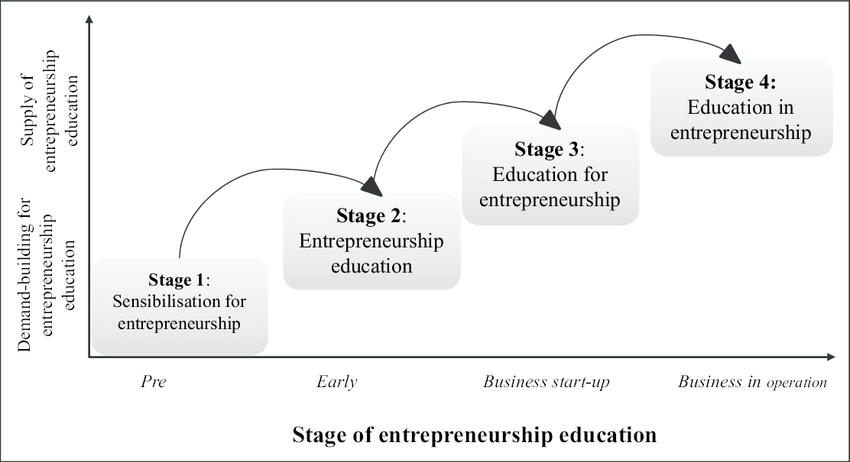
There are several ways in which schools can foster entrepreneurship among students. For example, schools can introduce entrepreneurship classes or workshops where students can learn about business concepts, marketing strategies, and financial management. Schools can also organize events such as business plan competitions or startup incubators to give students hands-on experience in launching and running a business.
In conclusion, entrepreneurship skill development at the school level is crucial for preparing students for the challenges and opportunities of the modern economy. By fostering creativity, critical thinking, and leadership skills, schools can help students become innovative problem solvers and successful entrepreneurs. It’s time for schools to prioritize entrepreneurship education and empower students to unleash their full potential.
This thesis highlights the benefits of entrepreneurship education, including:
- Enhanced career readiness
- Increased innovative potential
- Developed entrepreneurial intentions
- Increased entrepreneurial activity and economic growth
“Entrepreneurship education programs in schools can significantly enhance students’ career readiness, innovative potential, and entrepreneurial intentions by developing essential skills such as creativity, risk-taking, adaptability, and resilience, ultimately leading to increased entrepreneurial activity and economic growth.”
“Fostering Entrepreneurial Mindsets: The Impact of Entrepreneurship Education on Students’ Career Readiness and Innovative Potential”